Labour Party Leaders: History and Key Figures in UK Politics
The Labour Party has played a significant role in shaping UK politics for over a century. Labour Party leaders have guided the party through social reforms, elections, and policy development, helping to shape the nation’s political landscape. Understanding these leaders offers insight into the growth and evolution of the party and its influence on UK society.
From its early years to the present day, Labour has been led by individuals committed to representing the public, implementing policies, and maintaining the party’s relevance. Each leader has contributed uniquely to the party’s history, ensuring that it adapts to changing political and social circumstances.
History of Labour Party Leadership
The Labour Party emerged in the early 20th century, aiming to represent workers and promote social justice. Its first recognized leader, Keir Hardie, emphasized fairness, equality, and the importance of political representation for all citizens. His leadership laid the foundation for the party’s long-term growth and influence.
Following Hardie, leaders like Ramsay MacDonald and Arthur Henderson helped the party gain recognition in Parliament. They guided Labour through periods of change, including national challenges and the expansion of political rights for workers and citizens.
In the mid-20th century, leaders such as Clement Attlee and Harold Wilson oversaw reforms in healthcare, education, and civil liberties. Their leadership highlighted the evolving role of Labour Party leaders in addressing the needs of society while maintaining party values and policies.
Complete List of Labour Party Leaders (1900–Present)
Here is a chronological overview of Labour Party leaders and their main contributions:
1. Keir Hardie (1906–1908)
- First leader; promoted social justice and workers’ representation.
- Advocated equality and access to political participation.
2. George Barnes (1910–1911)
- Strengthened party organization and parliamentary presence.
3. William Adamson (1917–1921)
- Focused on party unity and post-war political stabilization.
4. Joseph Clynes (1921–1922)
- Oversaw electoral growth and parliamentary representation.
5. Ramsay MacDonald (1911–1914, 1922–1931)
- First Labour Prime Minister; guided the party through early governance.
6. Arthur Henderson (1908–1910, 1914–1917, 1931–1932)
- Worked on social reforms and international collaboration.
7. George Lansbury (1932–1935)
- Focused on social welfare and public service priorities.
8. Clement Attlee (1935–1955)
- Implemented post-war reforms including healthcare and public services.
9. Hugh Gaitskill (1955–1963)
- Led modernization efforts and maintained party stability.
10. Harold Wilson (1963–1976)
- Introduced social reforms, educational initiatives, and civil liberties enhancements.
11. James Callaghan (1976–1980)
- Managed governance during economic challenges and national developments.
12. Michael Foot (1980–1983)
- Emphasized party values and policy advocacy.
13. Neil Kinnock (1983–1992)
- Strengthened the party and modernized structures.
14. John Smith (1992–1994)
- Focused on unity and strategic planning.
15. Tony Blair (1994–2007)
- Oversaw policy reforms and modernization; maintained electoral success.
16. Gordon Brown (2007–2010)
- Guided the party through financial and economic challenges.
17. Ed Miliband (2010–2015)
- Advocated policies addressing public services and economic fairness.
18. Jeremy Corbyn (2015–2020)
- Emphasized grassroots participation and political engagement.
19. Keir Starmer (2020–Present)
- Promotes party cohesion, strategy, and public engagement.
Current Labour Party Leadership
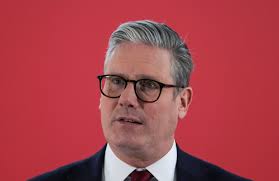
Keir Starmer leads the party today, focusing on strategy, policy coherence, and effective public engagement. His leadership emphasizes unity and organizational strength while preparing the party for upcoming challenges.
Supporting Starmer is a team of deputies, senior officials, and shadow ministers who coordinate policy implementation and strategic decisions. These roles help ensure the party continues to operate efficiently and represent public interests.
Labour Party leaders today manage a dynamic political environment, balancing parliamentary work, public communication, and policy priorities. Their leadership impacts party strategy and public perception.
Leadership Elections and Responsibilities
Labour leaders are elected through votes from MPs, party members, and affiliated organizations. Leadership elections reflect democratic participation and help determine the party’s direction.
Responsibilities of Labour Party leaders include guiding policy, coordinating parliamentary strategy, managing party cohesion, and representing the party publicly. Effective leadership ensures the party remains responsive to societal needs while maintaining organizational structure.
Impact of Labour Party Leaders on UK Politics
Labour Party leaders have significantly influenced UK politics through reforms, policies, and governance. Leaders such as Clement Attlee and Harold Wilson contributed to social services, education, and public policy initiatives. Modern leaders continue to adapt strategies to contemporary challenges.
Leadership decisions impact public perception, party cohesion, and electoral outcomes. Studying past and current leaders highlights how vision, strategy, and organizational skills shape the party’s role in governance.
Frequently Asked Questions
Who are the most notable Labour Party leaders?
Clement Attlee, Harold Wilson, Tony Blair, and Keir Hardie are among the most recognized figures.
How is the Labour Party leader elected?
Leaders are chosen by MPs, party members, and affiliated groups through a structured voting process.
Who is the current leader of the Labour Party?
Keir Starmer is the current leader, focused on party unity and strategic planning.
What are the main duties of Labour Party leaders?
They oversee policy, lead campaigns, manage parliamentary strategy, and represent the party publicly.
How have Labour Party leaders shaped UK politics?
Leaders influence legislation, public policy, social reforms, and the party’s overall direction through governance and strategic decisions.
Also Read: twitter hull fc