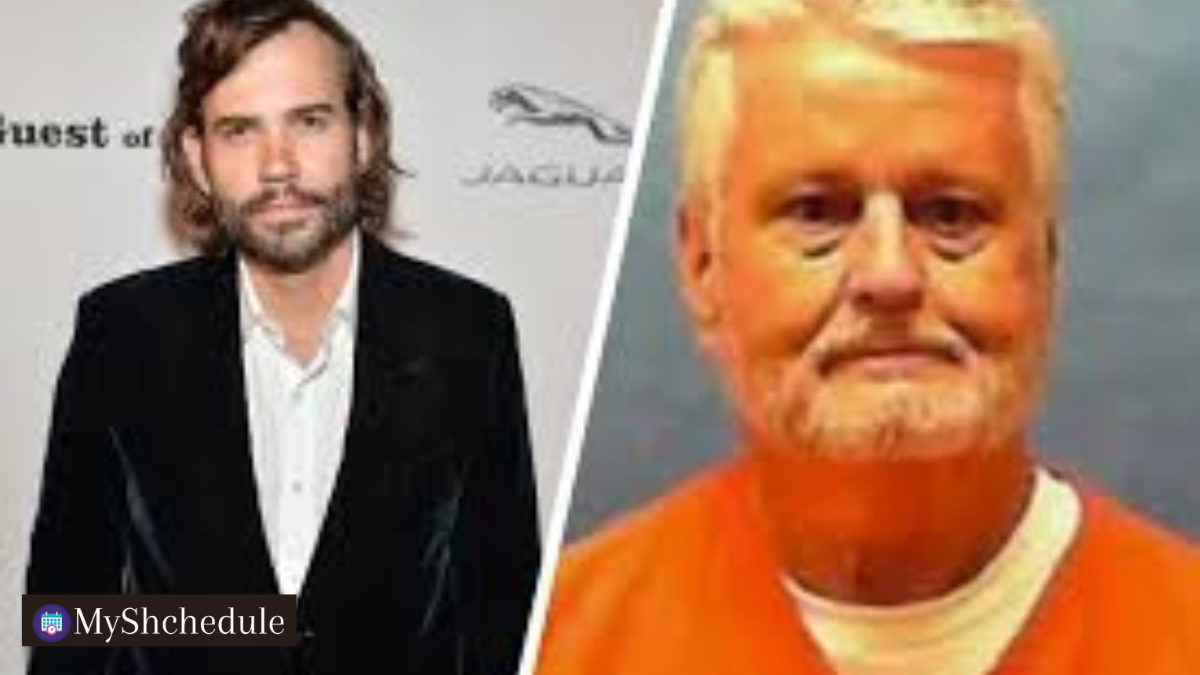
Bobby Joe Long: Florida’s Infamous Serial Killer, Crimes, and Execution
Bobby Joe Long is remembered as one of Florida’s most notorious criminals, whose crime spree in Tampa Bay in 1984 left a profound impact on law enforcement, victims’ families, and the local community. Known for his manipulative tactics and violent behavior, Long’s actions prompted improvements in criminal profiling, forensic investigation, and public awareness of personal safety.
Studying his life and crimes helps us understand the complex psychology of serial offenders, the importance of survivor courage, and the role of law enforcement in protecting communities.
Early Life and Background
Bobby Joe Long was born on October 14, 1953, in Kenova, West Virginia. He was diagnosed with Klinefelter syndrome, a genetic condition that caused certain physical traits and may have influenced his experiences of social isolation and bullying. Childhood teasing and injuries, combined with a challenging family environment, shaped his early behavioral patterns.
Long’s relationship with his mother was reportedly complicated, and he grew up facing emotional stress and instability at home. Early signs of aggression, manipulative behavior, and social difficulties became evident during his adolescence. Experts believe these factors, combined with genetic and environmental influences, played a role in his development into a dangerous individual.
Early Adult Life and Behavioral Patterns
Before committing serious crimes, Long had multiple minor criminal encounters and exhibited troubling behavior in his personal life. He served briefly in the military, which some experts suggest may have contributed to his ability to plan and execute actions methodically.
He married his high school girlfriend in 1974 and had two children. Their marriage ended in 1980 amid allegations of abusive behavior. During this period, Long also engaged in manipulative and aggressive acts toward others, setting the stage for his later criminal activity.
Escalation to Violent Crimes
In 1983, Long relocated to Tampa Bay, Florida, where he began a series of violent crimes. He targeted vulnerable individuals, exploiting opportunities to commit abductions and other violent offenses. Over time, his criminal acts became more severe, drawing significant attention from local law enforcement.
A notable turning point occurred with Lisa McVey, a young survivor whose actions helped authorities gather crucial evidence. Her observations and testimony provided critical leads that ultimately led to Long’s arrest. This case underscores the important role of survivors and witnesses in ensuring justice.
Capture and Investigation
Bobby Joe Long was arrested on November 16, 1984, after an investigation that combined forensic evidence, witness accounts, and survivor testimony. Law enforcement agencies worked collaboratively to connect multiple crimes to Long, using evidence such as fibers from his vehicle and home.
The investigation demonstrated the importance of careful evidence collection, forensic analysis, and persistence in solving complex criminal cases. Law enforcement efforts ensured that Long faced justice for his crimes while also establishing a framework for handling similar cases in the future.
Trial, Sentencing, and Execution
Long faced charges including multiple counts of first-degree murder, kidnapping, and other violent crimes. The trial relied heavily on survivor testimony, forensic evidence, and law enforcement documentation. In 1986, he was sentenced to death by lethal injection for one of the murders and received additional life sentences for other convictions.
After decades on death row, Long was executed on May 23, 2019, at Florida State Prison. His execution provided closure to families affected by his crimes and reinforced the role of the justice system in holding violent offenders accountable.
Legacy and Lessons
The case of Bobby Joe Long continues to have significance in criminal psychology, law enforcement, and public safety education. Key lessons from his crimes include:
- The importance of early detection and monitoring of criminal behavior.
- The role of survivor actions and witness reports in aiding investigations.
- Advances in forensic science that help solve complex cases.
- Raising public awareness of personal safety and prevention strategies.
His legacy is also a reminder of the resilience of individuals and communities impacted by violent crime, as well as the continuous efforts required to prevent similar offenses.
Frequently Asked Questions
Who was Bobby Joe Long?
Bobby Joe Long was a Florida-based serial killer active in 1984, responsible for multiple abductions and murders.
How was Bobby Joe Long captured?
Authorities arrested him after a coordinated investigation involving witness reports, forensic evidence, and critical survivor testimony.
When was Bobby Joe Long executed?
He was executed on May 23, 2019, at Florida State Prison.
What role did survivors play in his arrest?
Survivors provided key information and observations that guided law enforcement in identifying and apprehending Long.
Why is Bobby Joe Long’s case significant?
The case contributed to advances in forensic investigation, criminal profiling, and awareness of personal safety measures.
Also Read: ike turner children