Soffritto Recipe: What It Is, Ingredients, Ratio & How to Make the Italian Flavor Base
Soffritto is an essential foundation in Italian cuisine, forming the flavour base for a wide range of dishes. This aromatic mixture of finely diced onion, carrot, and celery is slowly sautéed in olive oil or butter to release its natural sweetness and depth. It is a deceptively simple preparation, yet it transforms ordinary recipes into richly flavoured meals, making it indispensable for anyone interested in authentic Italian cooking.
The beauty of soffritto lies in its versatility. It is not just a cooking technique but the starting point for sauces, soups, risottos, and braised dishes. By slowly cooking the vegetables, their natural flavours blend harmoniously, creating a subtle yet complex taste profile. Mastering soffritto allows cooks to elevate both traditional and modern dishes, proving that the simplest ingredients can make the most profound impact on flavour.
What Is Soffritto? Meaning, Origin & Culinary Significance
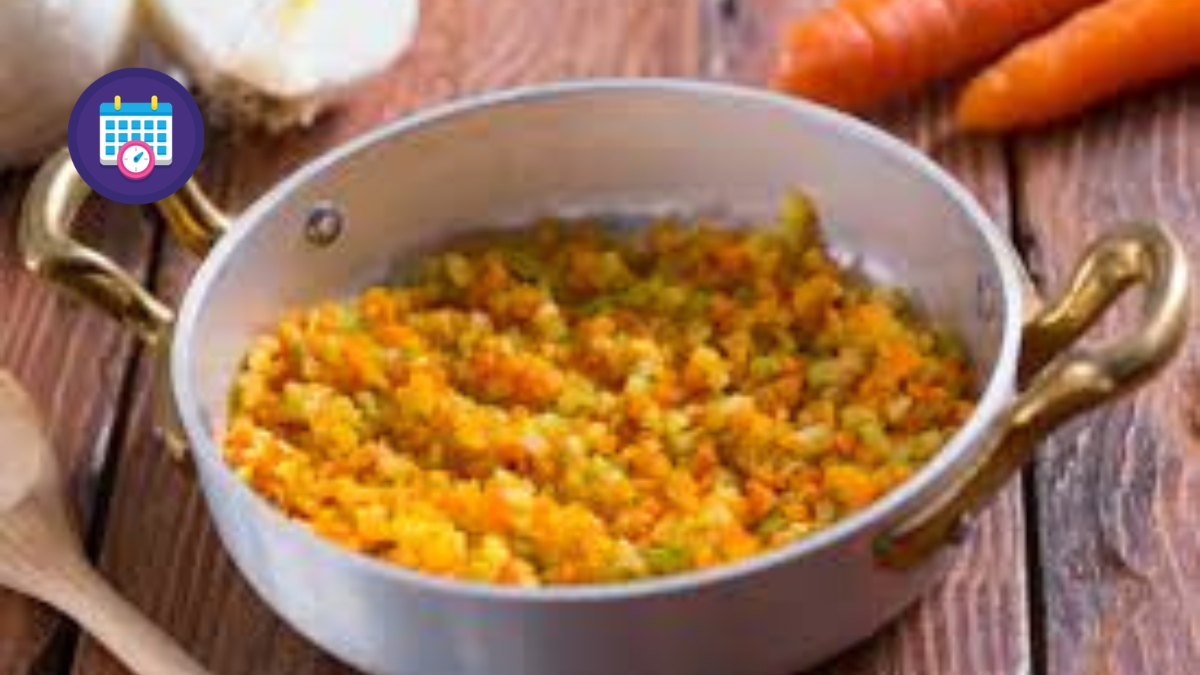
Soffritto is the Italian term for a gently sautéed mixture of vegetables, often referred to as the “holy trinity” of Italian cooking. It traditionally includes onion, carrot, and celery, finely chopped and cooked slowly to form a soft, golden base. The word soffritto literally means “under-fried,” reflecting the careful, low-heat cooking method that preserves the delicate flavours of the vegetables. It is a foundational element that defines the character of many Italian dishes.
Originating from regional Italian kitchens, soffritto has been used for centuries to add depth and complexity to meals. Its role is often underestimated, yet it is crucial for building flavour from the very first stage of cooking. Beyond its culinary function, soffritto also embodies Italian cooking philosophy, which values patience, quality ingredients, and technique. Understanding soffritto is key to appreciating the artistry behind traditional Italian cuisine.
Soffritto Ingredients: The Classic Italian Trinity Explained
The classic soffritto relies on three main ingredients: onion, carrot, and celery. Onions provide natural sweetness and umami, carrots add a subtle earthiness, and celery contributes a slightly bitter, aromatic note that balances the mixture. Choosing fresh, firm vegetables is essential, as their quality directly affects the flavour of the final soffritto. Properly diced ingredients ensure even cooking and a consistent texture.
Optional additions such as garlic, parsley, rosemary, or pancetta can enhance the complexity of soffritto. These ingredients are typically added in small amounts to avoid overpowering the base. When preparing soffritto in a UK kitchen, sourcing seasonal and locally grown vegetables can elevate the taste even further. The choice of olive oil or butter also impacts flavour, giving cooks flexibility in adapting the base to their preferred style.
The Perfect Soffritto Ratio: Understanding the 2:1:1 Rule
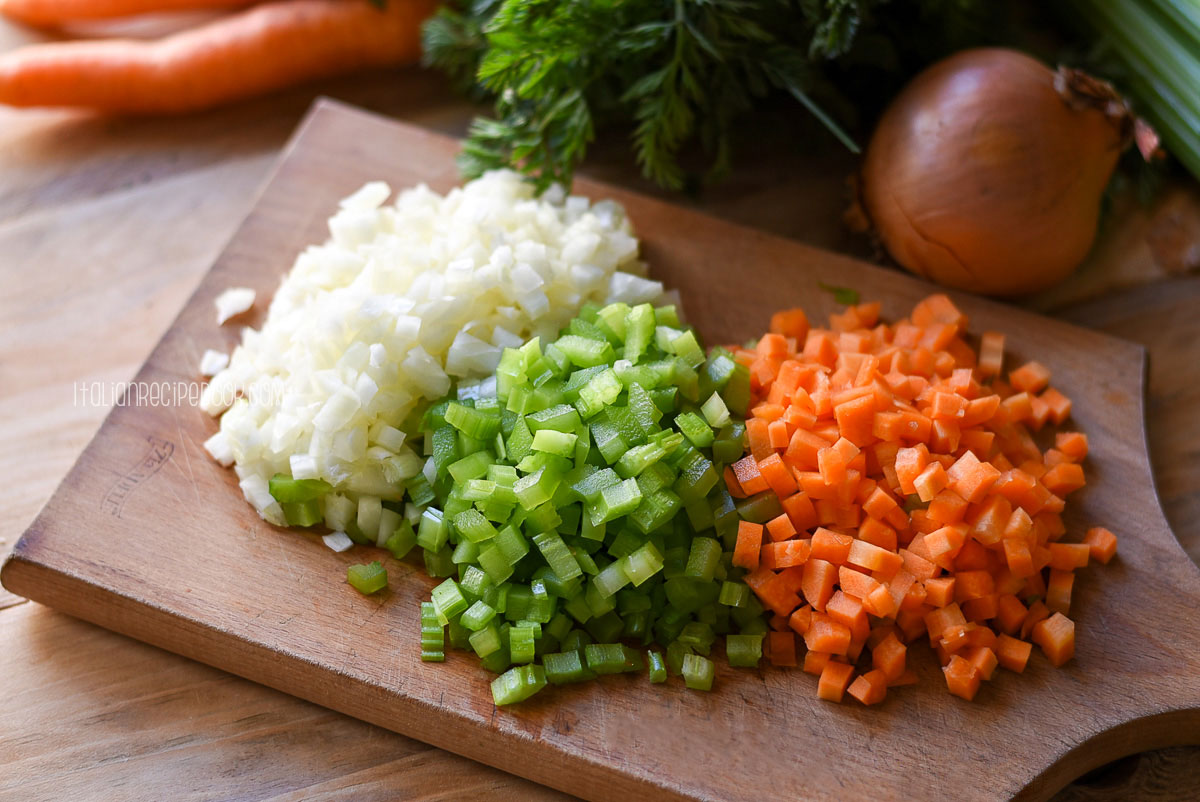
The traditional soffritto ratio is two parts onion to one part carrot and one part celery. This 2:1:1 balance ensures that the onions dominate the flavour without masking the subtleties of the other vegetables. Adjustments to this ratio may be made depending on the dish or regional preferences, but keeping close to this guideline guarantees a harmonious flavour foundation.
Understanding the soffritto ratio is crucial for consistency in Italian cooking. When scaling recipes for larger portions, it is important to maintain this balance to preserve the intended taste. The vegetables’ sizes and how finely they are chopped also affect cooking time and flavour release. By mastering the ratio, home cooks can replicate authentic Italian flavour reliably in every dish.
How to Make Soffritto: Step-by-Step Method for Best Results
Making soffritto begins with finely chopping the vegetables to uniform size, ensuring they cook evenly. A mezzaluna knife or food processor can help achieve this, though hand-chopping preserves more texture. The vegetables are then slowly cooked over low heat in olive oil or butter, allowing them to soften gradually without browning too quickly.
Patience is key when preparing soffritto. The cooking process may take 10 to 15 minutes or longer, depending on the quantity and heat used. The end result should be soft, fragrant, and golden in colour. Proper technique ensures that the soffritto forms a delicate yet flavourful foundation for any Italian dish, enhancing sauces, soups, risottos, and braised meals with depth and richness.
Soffritto vs Mirepoix vs Sofrito: Key Differences Explained
Soffritto is often compared with French mirepoix and Spanish sofrito, but there are distinct differences. Mirepoix typically uses butter and is sometimes left in larger chunks, whereas soffritto relies on olive oil and finely chopped vegetables. Sofrito, common in Spanish and Latin American cooking, often includes garlic, peppers, and tomatoes, giving it a more robust flavour profile.
These differences highlight the unique role of soffritto in Italian cuisine. While the bases share a similar concept of slow-cooked aromatics, the choice of ingredients, fat, and technique create distinctly different flavours. Understanding these variations allows cooks to appreciate the subtleties of each cuisine while mastering soffritto for authentic Italian meals.
How to Use Soffritto in Everyday Cooking
Soffritto serves as the starting point for numerous Italian dishes, including classic ragù, Bolognese, minestrone, and risotto. Adding stock, wine, or tomatoes to the soffritto after it is fully cooked allows the flavours to meld beautifully. Even vegetarian and vegan recipes benefit from this aromatic base, as it adds depth without relying on meat.
In the UK, home cooks can integrate soffritto into everyday meals by using it as a flavour booster for soups, pasta sauces, or even stews. Freezing portions of soffritto makes it convenient for busy schedules, ensuring that authentic Italian flavour is always at hand. Learning to incorporate soffritto into daily cooking enhances taste, aroma, and overall satisfaction.
Storage, Freezing & Batch Cooking Tips
Soffritto can be prepared in large batches and stored in the fridge for several days. For longer storage, freezing in small portions is ideal, allowing home cooks to access ready-made flavour bases without compromising taste. When reheating, gentle warming preserves the texture and aroma.
Batch cooking soffritto is especially useful for busy households. By preparing a large quantity in advance, you save time and effort while maintaining consistency in flavour. This approach ensures that classic Italian dishes retain their authentic taste, even on hectic days. Proper storage techniques make soffritto a practical and indispensable kitchen staple.
Conclusion
Soffritto is more than just a mix of vegetables; it is the heart of Italian cooking. From its careful preparation to its versatility in numerous dishes, mastering soffritto transforms ordinary meals into rich, layered culinary experiences. By understanding its ingredients, ratio, cooking technique, and uses, home cooks can bring the authentic flavours of Italy into their kitchens with confidence and creativity.
Soffritto is naturally gluten-free, suitable for vegetarian and plant-based diets, and adaptable to different culinary styles. Its simplicity is deceptive, but the results are profound. By learning this foundational technique, anyone can elevate everyday cooking, adding depth, aroma, and taste to meals while embracing the essence of Italian cuisine.
Frequently Asked Questions
What is soffritto made of?
Soffritto consists of finely chopped onions, carrots, and celery cooked slowly in olive oil or butter.
What is the correct soffritto ratio?
The traditional ratio is two parts onion to one part carrot and one part celery.
Is soffritto the same as mirepoix?
No, mirepoix differs in cooking fat and texture, typically using butter and larger chunks of vegetables.
How long should you cook soffritto?
It should be cooked slowly over low heat until soft and golden, usually 10–15 minutes.
Can you freeze soffritto?
Yes, it can be frozen in portions for convenient use in future recipes.
Is soffritto gluten-free?
Yes, it is naturally gluten-free and suitable for various diets.
What dishes use soffritto as a base?
Classic dishes include Bolognese, ragù, risotto, soups, and braised meals.
Can I make soffritto without celery?
Yes, though celery provides a unique aromatic balance that affects overall flavour.
What oil is best for making soffritto?
Olive oil is traditional, but butter can also be used for a richer taste.
How do you pronounce soffritto correctly?
It is pronounced “soh-FREE-toh.”
Also Read: stroopwafel