Gluten Free Foods List: What to Eat and Avoid on a Gluten-Free Diet
Gluten free foods have become increasingly popular as awareness of celiac disease and gluten sensitivity grows. Gluten, a protein found in wheat, barley, and rye, can cause digestive discomfort, nutrient deficiencies, and fatigue in sensitive individuals. Choosing gluten free foods allows people to enjoy a balanced and nutritious diet while avoiding the adverse effects of gluten. From naturally safe fruits and vegetables to certified processed products, there are many options to include in daily meals.
Adopting a diet based on gluten free foods is not only beneficial for those with celiac disease but also for anyone looking to improve digestion and overall health. By focusing on whole foods and avoiding hidden sources of gluten, individuals can enjoy meals that are both satisfying and safe. Understanding which foods are naturally gluten-free and which ones require careful checking is essential for a successful diet.
Understanding Gluten and Its Impact on Health
Gluten is a protein complex found primarily in wheat, barley, and rye. While many people consume gluten without any issues, those with celiac disease experience damage to the small intestine when exposed to it. Gluten sensitivity can also cause bloating, headaches, fatigue, and other digestive issues. Incorporating gluten free foods into a daily diet helps prevent these symptoms and supports a healthier digestive system.
Beyond digestive health, avoiding gluten can improve nutrient absorption and overall wellness. Many processed foods contain hidden gluten, making it important to know how to identify safe options. Choosing gluten free foods ensures that meals are both nutritious and free from harmful ingredients, allowing people to maintain energy levels and overall wellbeing without compromising on taste.
Naturally Gluten-Free Foods You Can Eat
Fresh fruits and vegetables form the foundation of gluten free foods. They provide essential vitamins, minerals, and fibre while being naturally free from gluten. Seasonal vegetables, leafy greens, berries, and root vegetables can be consumed raw, steamed, or roasted, offering endless options for meals and snacks. Including a variety of colourful produce ensures a nutrient-rich and balanced diet.
Proteins such as fresh meat, poultry, fish, and eggs are naturally gluten-free and play a vital role in a healthy diet. Dairy products like milk, butter, cheese, and plain yoghurt are also safe options when choosing gluten free foods. Adding legumes, nuts, and seeds provides plant-based protein, healthy fats, and additional fibre, making meals more filling and nutritionally diverse.
Processed and Packaged Foods: What to Watch Out For
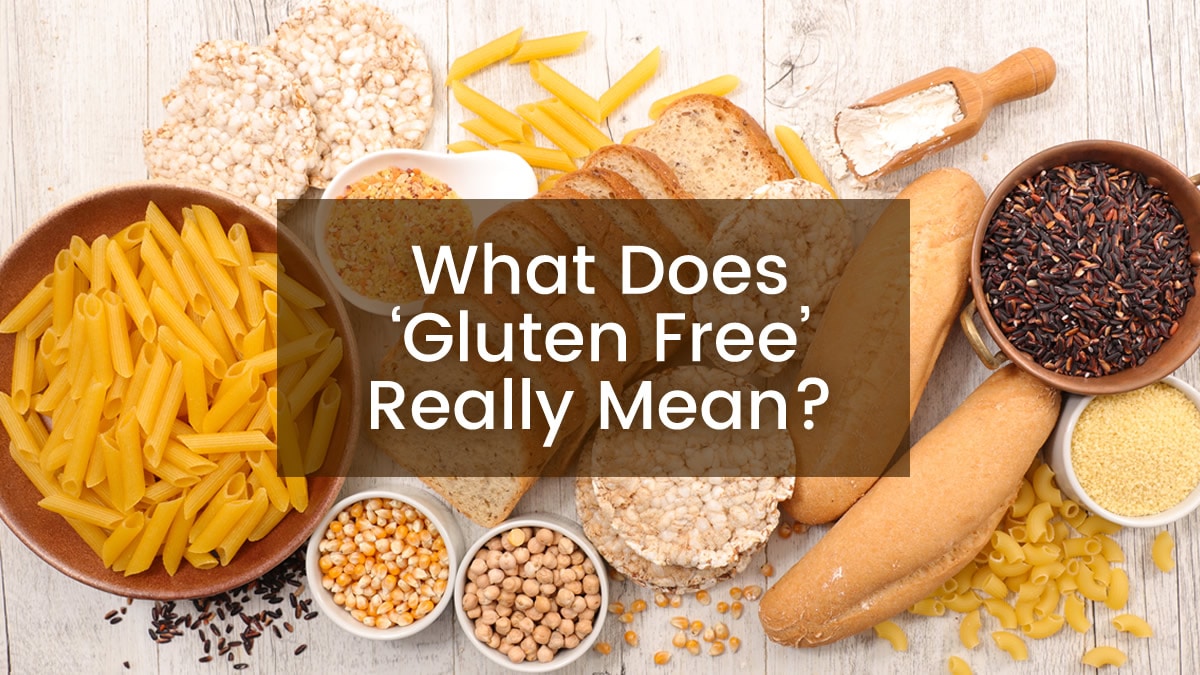
Many processed and packaged foods may contain hidden gluten even if they appear safe. Sauces, gravies, salad dressings, soy sauce, and marinades often include wheat or malt as thickeners. To maintain a diet focused on gluten free foods, it is crucial to check ingredient labels and opt for certified gluten-free products whenever possible.
Packaged snacks, cereals, biscuits, and processed meats such as sausages, bacon, and deli meats can also contain gluten. Choosing alternatives that are explicitly labelled gluten-free helps avoid accidental consumption. Being vigilant with processed foods allows people to enjoy convenience without compromising their health or the effectiveness of a gluten-free diet.
Safe Gluten-Free Alternatives for Common Foods
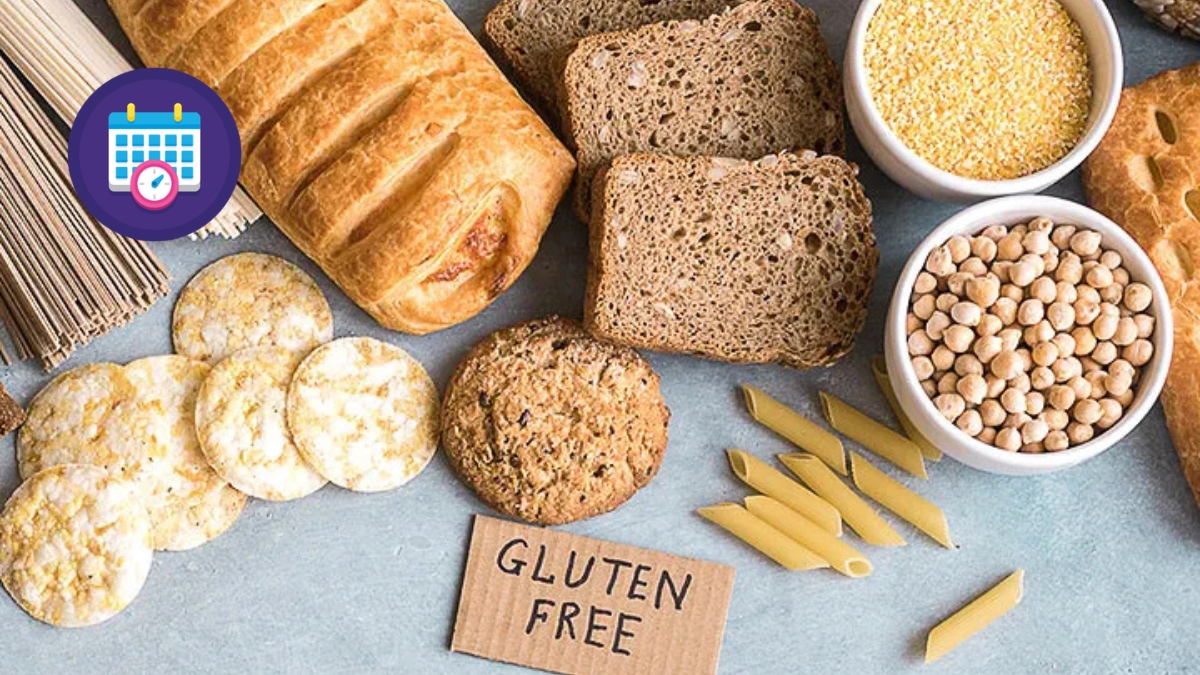
Flours made from rice, almond, coconut, or chickpeas are excellent substitutes for wheat flour and allow baking breads, cakes, and pastries without gluten. Gluten free foods also include pasta made from rice, corn, or quinoa, providing familiar meal options while adhering to dietary requirements. These alternatives make it easier to enjoy traditional meals safely.
Snacks and convenience foods have also expanded in variety, with gluten-free crackers, crisps, and energy bars widely available. Incorporating these options ensures a diet that is both enjoyable and safe. By selecting certified gluten free foods and safe alternatives, individuals can maintain a varied diet that meets nutritional needs while avoiding gluten exposure.
Tips for Maintaining a Gluten-Free Diet
Preventing cross-contamination is key when preparing gluten free foods at home. Using separate utensils, cutting boards, and cooking surfaces helps ensure that meals remain gluten-free. Planning meals in advance also ensures that safe ingredients are always available, making the diet more sustainable and less stressful.
Eating out safely requires careful attention to menus and ingredient lists. Many restaurants now offer gluten-free options, but it is important to ask about preparation methods to avoid hidden gluten. Additionally, apps and online resources listing certified gluten free foods can support individuals in maintaining a healthy, gluten-free lifestyle.
Benefits of Eating Gluten-Free Foods
Including gluten free foods in your diet offers numerous health benefits. Improved digestion, reduced bloating, higher energy levels, and better nutrient absorption are some of the key advantages. For people with celiac disease or gluten sensitivity, these foods are essential for managing symptoms and preventing long-term health complications.
A diet rich in gluten free foods encourages the consumption of whole, nutrient-dense ingredients such as fruits, vegetables, lean proteins, and whole grains like rice, quinoa, and millet. These foods not only protect against gluten-related issues but also support overall health and vitality. Consistent inclusion of gluten free foods can lead to lasting improvements in wellbeing and lifestyle.
Common Myths About Gluten-Free Foods
A common misconception is that gluten-free foods are always healthier. While naturally gluten-free options like fruits, vegetables, and lean proteins are nutritious, processed gluten-free products may still be high in sugar, fat, or additives. Understanding the difference ensures a diet that is both safe and balanced.
Another myth is that gluten-free foods are limited and lack variety. On the contrary, gluten free foods encompass a wide range of grains, proteins, dairy, fruits, vegetables, and innovative alternatives. By exploring the wide array of options, individuals can enjoy diverse meals without sacrificing taste or nutrition.
Conclusion
Gluten free foods provide a safe and nutritious foundation for anyone looking to improve their diet or manage gluten-related conditions. From fresh produce to safe alternatives for baked goods and pasta, these foods offer variety, convenience, and health benefits. Careful planning, label reading, and awareness of hidden gluten are essential for maintaining a successful gluten-free lifestyle and enjoying meals without compromise.
Frequently asked questions
What are the most common gluten free foods?
Fruits, vegetables, fresh meat, fish, eggs, dairy, rice, corn, quinoa, and nuts are all common gluten free foods.
Can people without celiac disease benefit from gluten free foods?
Yes, some may find improved digestion or reduced bloating, though benefits vary by individual.
Is rice completely gluten-free?
Yes, plain rice is naturally gluten-free, but check for cross-contamination in processed or flavored rice.
How can I avoid cross-contamination at home?
Use separate utensils, cutting boards, and cooking surfaces when preparing gluten free foods.
Are oats safe on a gluten-free diet?
Only certified gluten-free oats are safe, as regular oats may be contaminated during processing.
What gluten-free flours are best for baking?
Rice flour, almond flour, coconut flour, and chickpea flour are ideal for gluten-free baking.
How do I read labels to ensure a product is gluten-free?
Look for a “gluten-free” certification and check for hidden ingredients like wheat, barley, or malt.
Can processed snacks ever be truly gluten-free?
Yes, if they are certified gluten-free and free from cross-contamination with gluten-containing ingredients.
Are gluten free foods more expensive in the UK?
Some specialty gluten free foods are costlier, but naturally gluten-free whole foods are usually affordable.
What are quick and easy gluten free meal ideas?
Simple options include rice and vegetable stir-fries, grilled meat or fish with salad, and quinoa-based dishes.
Also Read: campari spritz