Do Heating Grants Cover Radiators and Controls?
Yes. You will get radiators, thermostatic radiator valves (TRVs), smart thermostats, and all pipework, for free, if you qualify for ECO4. But the fact is, most homeowners do not realise that these components are part of the heating grants, and therefore, they are paying for them or losing 20-30% of their heating energy.
Now, let’s see what’s really included, who qualifies, and how you can avoid leaving thousands of pounds behind.
Which UK Heating Grants Include Radiators and Controls?
There are three schemes in total, but only one of them usually includes radiators and controls as part of a complete heating installation. Here’s what you need to know about each.
Energy Company Obligation Phase 4
The Energy Company Obligation 4, or ECO4 for short, is intended for low-income households with EPC ratings of D–G. ECO4 is more than a boiler or heat pump replacement—first-time central heating (FTCH) is also covered, which includes radiators, TRVs, smart thermostats, pipework, and even gas meters if needed.
What costs are covered? £300-£600 per radiator, £200-£400 for smart thermostats, and £800-£1,500 for pipework. All of these costs are included. No hidden fees, no extra charges.
Great British Insulation Scheme (GBIS)
GBIS is all about insulation, loft, cavity wall, and solid wall insulation. Radiators and controls are not included unless combined with local authority heating upgrades. GBIS is the opening act, not the headliner.
Boiler Upgrade Scheme (BUS)
The Boiler Upgrade Scheme offers £7,500 for heat pumps but doesn’t cover radiator replacements. It includes smart controls to optimise heat pump efficiency, but if your existing radiators are undersized or inefficient, you’re paying for upgrades separately.
Why does BUS skip radiators? Because it assumes you already have a functioning central heating system. If you don’t, ECO4 is your only option.
Grant Coverage Comparison
| Scheme | Radiators | TRVs | Smart Thermostats | Pipework | Best For |
| ECO4 | Yes | Yes | Yes | Yes | Low-income, no central heating |
| GBIS | Rare | No | No | No | Insulation-focused upgrades |
| BUS | No | No | Yes | No | Heat pump installs with existing radiators |
Here’s the reality: If you need radiators, ECO4 is the only grant worth pursuing. GBIS and BUS won’t fund them.
What Exactly Gets Installed: Radiators, TRVs, and Controls
Now, let’s discuss each part of the installation and its importance to your heating system’s efficiency. Most homeowners are not aware that old radiators and the lack of TRVs can cause up to 15-20% of heating energy to be wasted every year, even with the installation of a new boiler or heat pump.
New Radiators: Designed for Efficiency
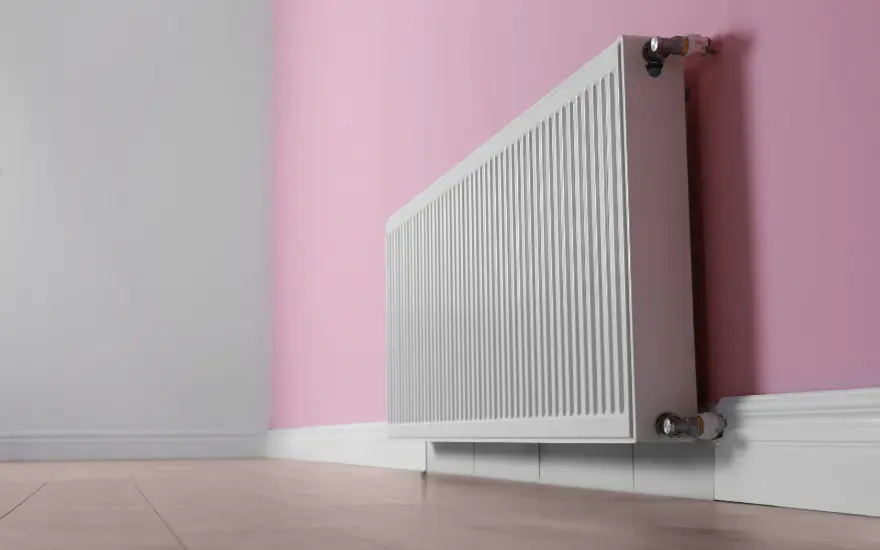
ECO4 FTCH provides the installation of new radiators in all rooms that require heating. These are not standard radiators, either. The installers determine the BTUs per room to provide balanced heating distribution. A 12 m² bedroom requires a different-sized radiator than a 25 m² living room.
Cost per unit: £300-£600, fully paid for. You will receive 6-10 radiators depending on the size of your home, which would cost £2,000-£5,000 if you bought them yourself.
Thermostatic Radiator Valves (TRVs): Auto-Regulation
TRVs adjust radiator output based on room temperature, preventing overheating and cutting energy waste by 10–15%. Every radiator installed under ECO4 includes TRVs as standard—£30–£50 per valve, £300–£600 total for a typical home.
Why aren’t TRVs mandatory on all radiators? Because most installers skip them to save costs. ECO4 doesn’t let installers cut corners.
Smart Thermostats: Remote Control and Zoning
Hive, Nest, and similar smart thermostats are fully funded under ECO4—£200–£400 value. These enable zoning (heating only occupied rooms), scheduling, and remote control via smartphone apps.
Real-world impact? Smart thermostats reduce heating costs 15–20% by preventing unnecessary heating when you’re out or asleep. Over 12 months, that’s £150–£250 saved on a typical £1,200 annual heating bill.
Pipework and Fittings: The Hidden Costs
FTCH grants cover all pipework—copper or plastic—connecting radiators to your boiler or heat pump. This includes fittings, valves, and balancing the system for optimal flow. Typical cost if done privately: £800–£1,500.
Gas meter installations? Also covered if your home lacks mains gas connection. You’re getting a complete heating system, not just components.
Component Coverage Breakdown
| Component | Covered Under ECO4? | Typical Private Cost | Energy Savings |
| Radiators (per unit) | Yes | £300–£600 | Even heat distribution |
| TRVs (full home) | Yes | £300–£600 | 10–15% bill reduction |
| Smart Thermostat | Yes | £200–£400 | 15–20% bill reduction |
| Pipework/Fittings | Yes | £800–£1,500 | System efficiency |
One thing ECO4 doesn’t cover? Redecoration after installation. If installers need to drill through walls or floors, you’re repainting and patching yourself.
Who Actually Qualifies for Radiator and Control Coverage?
Eligibility isn’t complicated, but most households assume they don’t qualify without checking. Let’s fix that.
Income and Benefits Requirements
You need one of the following:
- Universal Credit
- Pension Credit
- Child Benefit (income-related)
- Annual household income under £31,000
Income verification happens automatically when you apply—no lengthy paperwork, no intrusive questions.
EPC Rating: D–G Required
Your property’s Energy Performance Certificate must rate E, F, or G. Check your EPC at gov.uk/find-energy-certificate. If you don’t have one, the grant provider arranges a free assessment.
C-rated homes don’t qualify unless they drop to D post-survey (common with older properties).
Property Type and Tenure
ECO4 covers private homeowners and tenants. Council housing typically uses separate funding streams. Tenants need landlord consent—installers handle this directly with landlords, requiring written approval before work begins.
The First-Time Central Heating (FTCH) Requirement
For full radiator coverage, your home must lack central heating—meaning you’re currently using electric heaters, storage heaters, or coal fires. Homes with existing central heating qualify for radiator upgrades, but not full FTCH installs.
Survey confirms eligibility. If you have one working radiator, you’re likely ineligible for FTCH but qualify for system upgrades.
How to Apply: The Fastest Route to Free Radiators and Controls
Application takes 10 minutes online. Installation happens in 3–6 weeks. No upfront payment, no hidden fees. Here’s the process.
Step 1: Contact ECO4 Providers
Major energy suppliers run ECO4 programs—British Gas, E.ON, OVO, Octopus. Contact them directly or use government-approved brokers who match you with installers.
Free assessment happens within days. Assessors check your EPC, verify benefits, and survey your property to confirm heating needs.
Step 2: Approval and Survey
Once approved, a technical surveyor visits to calculate radiator sizes, thermostat placement, and pipework routes. This takes 1–2 hours. You get a detailed install plan showing every component being installed.
No approval? You’ll know why within 48 hours—usually income too high or EPC rating C or above.
Step 3: Installation Scheduling
Installers book a 2–3 day installation window. They handle gas safety checks, system commissioning, and final testing. You sign off once everything’s working.
Post-install, you receive warranty documentation (5–10 years on components) and a new EPC showing improved rating—often jumping from E to C after full upgrades.
The Bottom Line
ECO4 covers radiators, TRVs, smart thermostats, and pipework for qualifying households, saving £200–£400 annually in wasted heating energy. But only if you meet the income and EPC criteria and apply through the right providers.
Most people assume grants cover boilers only, so they’re paying £3,000–£6,000 out of pocket for components that should cost them nothing.
Also Read: Expand My Business