Humans as Resources: Meaning, Importance, and Modern Examples
Humans as resources are one of the most vital assets for any nation, organisation, or industry. Unlike natural resources, which cannot think, innovate, or improve on their own, humans possess knowledge, creativity, decision-making abilities, and problem-solving skills. These qualities allow individuals to transform raw materials into products, provide essential services, and drive innovation across all sectors. Understanding humans as resources is crucial for boosting economic growth, fostering social development, and achieving organisational success in today’s dynamic world.
In modern societies, humans as resources are critical in areas such as technology, healthcare, education, and knowledge-based industries. Governments, businesses, and organisations invest heavily in education, skill development, and employee well-being because human potential directly impacts productivity. By nurturing the capabilities of people, societies can achieve sustainable growth, higher living standards, and continuous innovation. Recognising humans as resources is, therefore, more relevant today than ever before.
Meaning of Humans as Resources
The term humans as resources refers to individuals who contribute to economic, social, and organisational activities through their skills, knowledge, and labour. Unlike passive resources like water, minerals, or land, humans can learn, adapt, and innovate. Their value grows when they receive education, training, and experience, making them active participants in production and development.
Humans as resources also include intellectual and creative abilities. Beyond physical effort, the capacity to innovate, solve problems, and make informed decisions makes humans irreplaceable in the modern economy. Investing in human development ensures that individuals become capable contributors to technological advancement, economic growth, and societal progress, highlighting the multifaceted importance of humans as resources.
Importance of Humans as Resources
The importance of humans as resources cannot be overstated. Human effort is the driving force behind economic productivity, organisational efficiency, and societal well-being. Skilled professionals, teachers, managers, engineers, and healthcare workers form the backbone of every economy. Without humans, natural resources, machinery, and capital would remain underutilised.
Moreover, humans as resources are essential for innovation and leadership. A workforce that is educated, motivated, and skilled can create solutions to complex challenges, improve processes, and lead organisations toward growth. By developing humans as resources, societies ensure sustainable development, competitiveness, and improved quality of life for citizens.
Characteristics of Humans as Resources
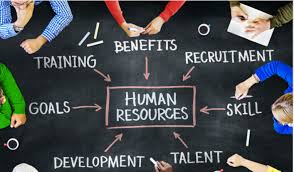
Humans as resources possess unique traits that differentiate them from other assets. Key characteristics include:
- Adaptability and Learning: Humans can acquire new skills, adapt to changing circumstances, and continuously improve performance. This makes them dynamic and renewable assets.
- Creativity and Innovation: Humans can create ideas, design solutions, and innovate, driving organisational and societal progress.
- Motivation and Goal-Oriented Behaviour: Humans are guided by ambitions, personal growth, and a sense of purpose, which enhances productivity and contribution.
These characteristics make humans indispensable in the modern economy, where knowledge, innovation, and collaboration are more valuable than ever.
Examples of Humans as Resources in Real Life
Humans as resources are visible in every sector:
- Agriculture: Farmers utilise modern techniques and technology to increase crop yield and efficiency.
- Healthcare: Doctors, nurses, and researchers improve public health, innovate treatments, and save lives.
- Education: Teachers and trainers equip future generations with knowledge and skills.
- Technology and Industry: Engineers, software developers, managers, and professionals enhance productivity and create value.
Even at the community and household level, humans contribute by organising, leading, and solving problems, demonstrating that humans as resources are essential across all facets of life.
Humans as Resources vs Human Capital
While often used interchangeably, humans as resources and human capital are distinct concepts. Humans as resources focus on the people themselves and their ability to contribute. Human capital, on the other hand, measures the economic value of an individual’s knowledge, skills, and abilities.
Understanding this distinction is important for policy-making, education, and organisational development. By investing in education, healthcare, and training, societies increase human capital and enhance the overall value of humans as resources.
Development of Humans as Resources
Developing humans as resources requires targeted strategies:
- Education: Provides foundational knowledge and critical thinking skills.
- Training and Skill Development: Enhances professional competencies and specialised expertise.
- Health and Well-being: Ensures individuals can perform consistently and effectively.
Modern organisations also focus on continuous learning, digital literacy, and soft skills development to maximise the potential of humans as resources. Governments and private sectors increasingly collaborate to create opportunities for skill enhancement, particularly in emerging fields like AI, renewable energy, and digital services.
Challenges and Misconceptions
A common misconception is that treating humans as resources reduces them to mere economic units. In reality, the concept acknowledges their value while emphasising development and growth. Ethical treatment, fair opportunities, and respect are essential to balance productivity with human dignity.
Challenges include unequal access to education, healthcare, and employment, which can limit human potential. Addressing these issues through equitable policies, training programs, and mentorship ensures that humans as resources are fully utilised and contribute meaningfully to society.
Modern Trends Shaping Humans as Resources
Several modern trends are influencing humans as resources in 2026:
- Remote and Hybrid Work Models: Provide flexibility and improve work-life balance, making humans more productive.
- AI and Automation: Shift routine tasks to machines, allowing humans to focus on strategic, creative, and problem-solving roles.
- Upskilling and Reskilling: Continuous learning is essential as industries evolve rapidly, ensuring humans remain valuable resources.
- Employee Engagement and Wellbeing: Organisations now prioritise mental health, job satisfaction, and purpose-driven work to maximise human potential.
By embracing these trends, organisations can enhance the value of humans as resources while fostering innovation and growth.
Conclusion
Humans as resources form the backbone of economic, social, and organisational development. Their knowledge, skills, creativity, and adaptability drive innovation, productivity, and sustainable growth. Investing in education, training, health, and wellbeing ensures that humans continue to be invaluable assets.
Recognising humans as resources today requires more than acknowledging their economic contribution—it involves fostering their potential, respecting their individuality, and creating environments that support continuous growth. By doing so, societies and organisations can thrive in an increasingly competitive and knowledge-driven world.
Frequently Asked Questions
What do we mean by humans as resources?
Humans as resources are individuals whose skills, knowledge, and efforts contribute to productivity, innovation, and social development.
Why are humans called resources?
Humans are called resources because they utilise other resources efficiently and create value through knowledge, skills, and creativity.
How are humans different from other resources?
Unlike natural resources, humans can learn, adapt, innovate, and continuously improve productivity.
Can you give examples of humans as resources?
Teachers, doctors, engineers, farmers, software developers, and community leaders are all examples of humans as resources.
How does education help develop humans as resources?
Education enhances knowledge and skills, improving efficiency, problem-solving, and the overall contribution of individuals to society.
Is there a difference between human resources and human capital?
Yes. Human resources focus on the people themselves, while human capital measures the economic value of their skills, knowledge, and abilities.
Also Read: splitsecnd