Tuna Pasta Salad: Easy, Healthy and Delicious Recipes for Quick Meals
Tuna pasta salad is a versatile and nutritious dish that has become a favourite in UK households. Combining tender pasta, flaked tuna, and a variety of fresh vegetables, this salad is both filling and refreshing. Its ease of preparation makes it ideal for busy weekdays, picnics, or meal prep, while its adaptable ingredients allow everyone to enjoy a version suited to their taste. A well-prepared tuna pasta salad is simple yet packed with flavour and essential nutrients.
This salad is not just convenient; it also offers a balance of protein, carbohydrates, and vitamins from fresh vegetables. The creamy or tangy dressing enhances the taste without overpowering the ingredients. Tuna pasta salad can be served cold or slightly chilled, making it perfect for summer lunches, family gatherings, or as a quick dinner option. Its combination of convenience, nutrition, and flavour is why this dish remains a staple in many kitchens.
What is Tuna Pasta Salad?
Tuna pasta salad is a classic dish made from cooked pasta, flaked tuna, fresh vegetables, and a dressing that binds the ingredients together. It is popular due to its simplicity and versatility, allowing for endless variations. In the UK, this salad is often served chilled, providing a light but satisfying meal. The combination of creamy or tangy dressing with the natural flavour of tuna and vegetables makes it a timeless recipe loved by both children and adults.
The nutritional value of tuna pasta salad is another reason for its popularity. Tuna is a high-protein ingredient rich in omega-3 fatty acids, which are beneficial for heart and brain health. Vegetables such as peas, carrots, cucumber, and red onion add essential vitamins and minerals, while the pasta provides energy. This combination ensures a balanced meal that is both delicious and nourishing, making tuna pasta salad a practical option for lunchboxes or family dinners.
Essential Ingredients for Tuna Pasta Salad
The main ingredients for a successful tuna pasta salad include pasta, tuna, vegetables, and dressing. Pasta types like fusilli, shell pasta, or elbow macaroni work best as they hold the salad and dressing well. Choosing the right tuna is crucial; tinned tuna in spring water is lighter and healthier, whereas oil-packed tuna adds extra richness and flavour to the dish.
Vegetables add texture, colour, and nutritional value to tuna pasta salad. Peas, carrots, cucumber, sweetcorn, and red onions are all popular options. For dressing, classic mayonnaise, Greek yogurt, or vinaigrettes can be used depending on preference. Combining these ingredients in the right proportions ensures a tasty, well-balanced salad that is both visually appealing and satisfying to eat.
How to Make Tuna Pasta Salad
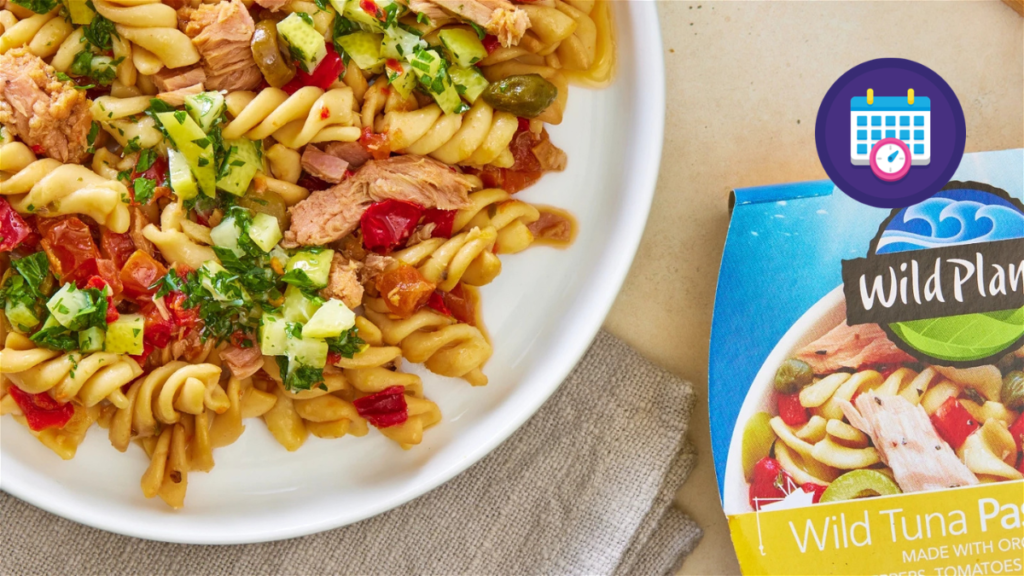
To make a delicious tuna pasta salad, begin by cooking the pasta until al dente, then rinse under cold water to prevent sticking. Flake the tuna into a large mixing bowl, and prepare vegetables by chopping them into bite-sized pieces. Mixing the ingredients gently ensures the salad retains its texture while allowing all flavours to blend beautifully.
Next, add the dressing slowly and mix until every ingredient is evenly coated. Avoid over-mixing, as this can turn the salad mushy. Chilling tuna pasta salad for at least 30 minutes before serving helps the flavours meld together. Proper preparation techniques ensure a fresh, vibrant salad that is perfect for lunch, dinner, or picnic occasions.
Easy and Delicious Tuna Pasta Salad Recipes
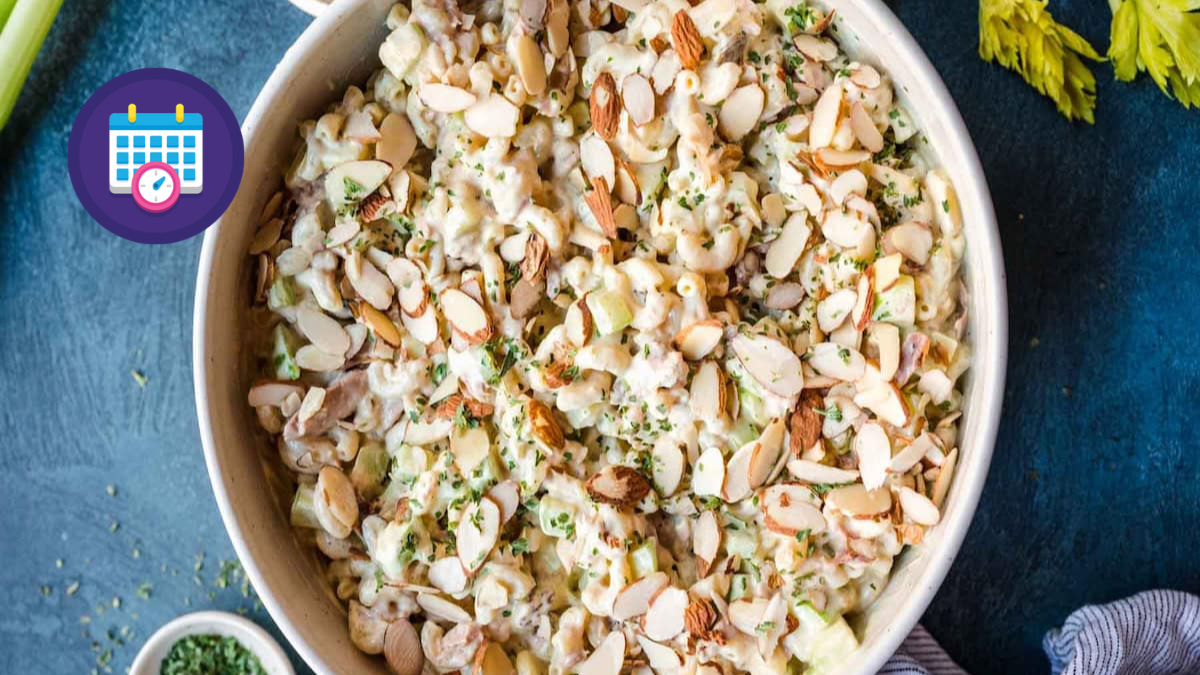
A classic creamy tuna pasta salad is made using mayonnaise, peas, celery, and diced carrots for a smooth, comforting flavour. The creamy texture pairs perfectly with the tender pasta and flaked tuna, creating a satisfying and filling meal. For a Mediterranean twist, add tomatoes, olives, cucumber, and a tangy lemon dressing, giving the salad a refreshing, zesty taste.
A healthy version of tuna pasta salad replaces mayonnaise with Greek yogurt or a light vinaigrette. This keeps the salad creamy without adding excess fat while still maintaining delicious flavour. For families with children, adding sweetcorn, mild herbs, or diced bell peppers can make the salad more appealing and kid-friendly. Each variation highlights the versatility of tuna pasta salad and demonstrates its adaptability for different tastes.
Tips for Customising Tuna Pasta Salad
Tuna pasta salad is highly adaptable, making it easy to customise with additional ingredients. Adding proteins such as boiled eggs, chickpeas, or grilled chicken can increase the nutritional value and make the salad more filling. Vegetarian options are also possible by replacing tuna with plant-based alternatives or increasing the vegetable content.
Enhancing flavour is easy by incorporating fresh herbs, spices, or a touch of mustard. Seasonal vegetables can add variety and freshness, such as cherry tomatoes and cucumber in summer or roasted root vegetables in winter. Customising your tuna pasta salad not only keeps it interesting but also ensures it can fit any season, taste preference, or dietary need, making it a dish you can enjoy year-round.
Common Mistakes to Avoid
Overcooking pasta is one of the most common mistakes when preparing tuna pasta salad. Pasta should be cooked al dente to maintain the salad’s texture. Draining vegetables and tuna thoroughly is equally important, as excess water can make the salad watery and unappetising.
Another mistake is adding too much dressing, which can overwhelm the natural flavours. Start with a small amount and adjust gradually. Additionally, storing tuna pasta salad for too long can affect freshness and taste, so it is best consumed within two to three days. Being mindful of these mistakes ensures a fresh, well-balanced, and delicious salad every time.
Serving Suggestions and Meal Ideas
Tuna pasta salad can be served as a main meal or a side dish, depending on the occasion. It pairs well with fresh bread, wraps, or crackers, making it suitable for lunchboxes or casual dinners. Chilling the salad enhances the flavours and makes it ideal for summer picnics or outdoor gatherings.
Presentation adds appeal to tuna pasta salad. Garnishing with fresh herbs, a sprinkle of paprika, or a drizzle of olive oil makes the dish visually attractive. With endless serving possibilities, this versatile salad remains a practical and delicious option for families, gatherings, and meal prep.
Conclusion
Tuna pasta salad is a quick, healthy, and versatile dish that can suit any occasion. Combining pasta, tuna, fresh vegetables, and a delicious dressing creates a balanced, filling, and flavourful meal. Its adaptability allows for numerous variations, catering to different tastes, dietary needs, and seasonal ingredients, making it a favourite in kitchens across the UK.
Whether served chilled in summer, packed for lunch, or enjoyed as a comforting dinner, tuna pasta salad is simple to make, highly nutritious, and endlessly satisfying. Its combination of convenience, taste, and health benefits ensures it remains a timeless recipe for families and individuals alike.
Frequently asked questions
What is the best pasta for tuna pasta salad?
Short pasta like fusilli, shells, or elbow macaroni works best to hold the salad and dressing.
Can tuna pasta salad be made ahead of time?
Yes, it can be prepared a few hours or even a day in advance and stored in the fridge.
How long does tuna pasta salad last in the fridge?
It stays fresh for 2–3 days when properly stored in an airtight container.
Is tuna pasta salad healthy for children?
Yes, it provides protein, vitamins, and minerals while being easy to eat and digest.
Can I make tuna pasta salad without mayonnaise?
Yes, you can use Greek yogurt, vinaigrette, or avocado as a creamy alternative.
What vegetables are ideal for tuna pasta salad?
Peas, carrots, cucumber, sweetcorn, and red onion add crunch, colour, and nutrients.
How can I make tuna pasta salad more kid-friendly?
Use mild flavours, sweetcorn, small pasta shapes, and finely chopped vegetables for easier eating.
Can I freeze tuna pasta salad for later use?
It is not recommended, as freezing can change the texture of the pasta and vegetables.
Also Read: just answer uk